0:00 0:00
Article
Tasting Nissin Donbei Classic: A Recipe from 50 Years Ago
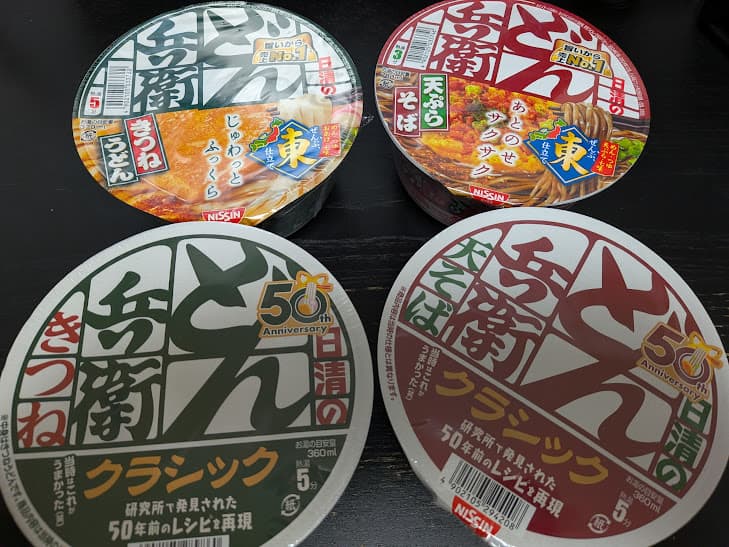
We tried the limited-edition Donbei Classic tempura soba, which recreates the original 1976 recipe, and compared it with the current version.
Introduction
For those unfamiliar, Donbei is one of the most popular instant noodle brands in Japan. Made by Nissin Foods, it has been a household staple since its launch in 1976 — you will find it in virtually every convenience store and supermarket across the country.
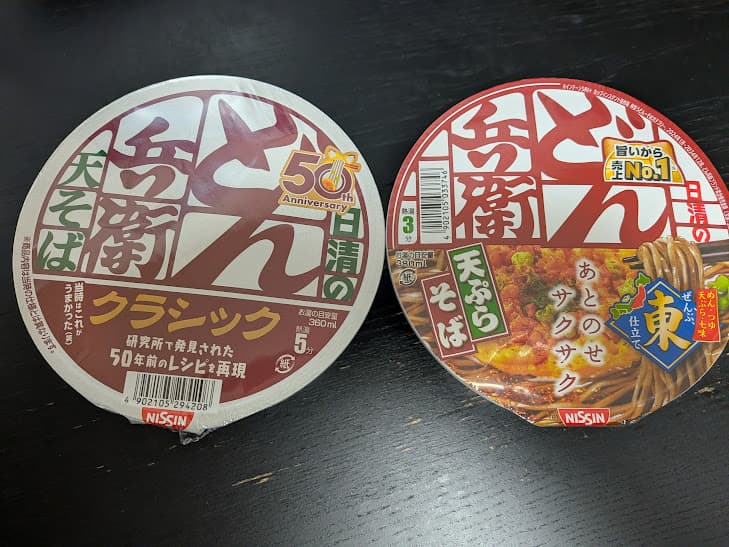
On March 30, 2026, Nissin Foods released Donbei Classic, a limited-edition cup noodle that recreates the original recipe from 50 years ago. Since it promised a taste different from the current version, we decided to do a side-by-side comparison.
Before the Taste Test
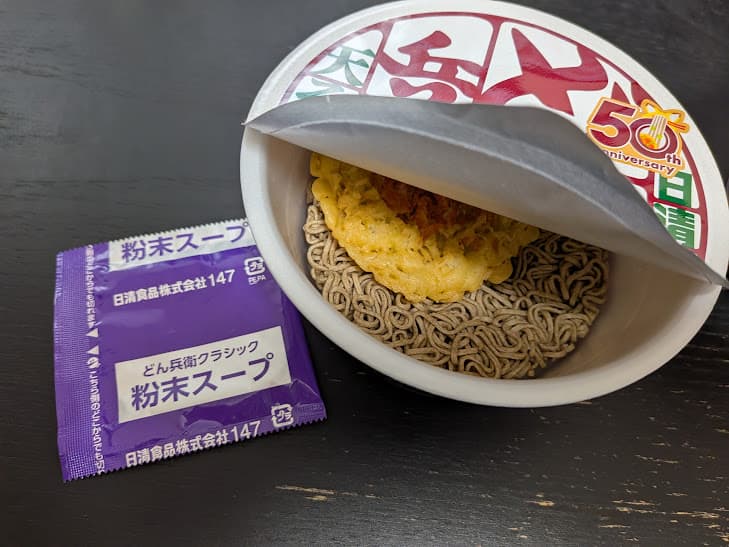
Let’s start by comparing what’s inside. The Classic version is quite simple — just a packet of powdered soup base.
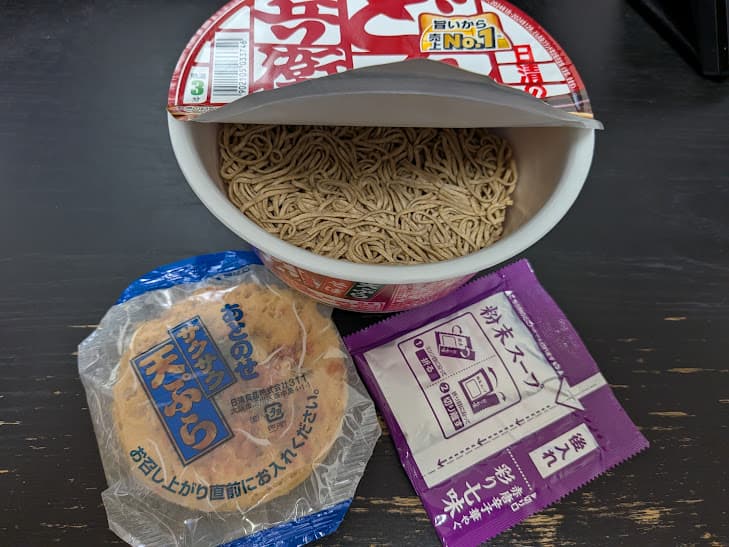
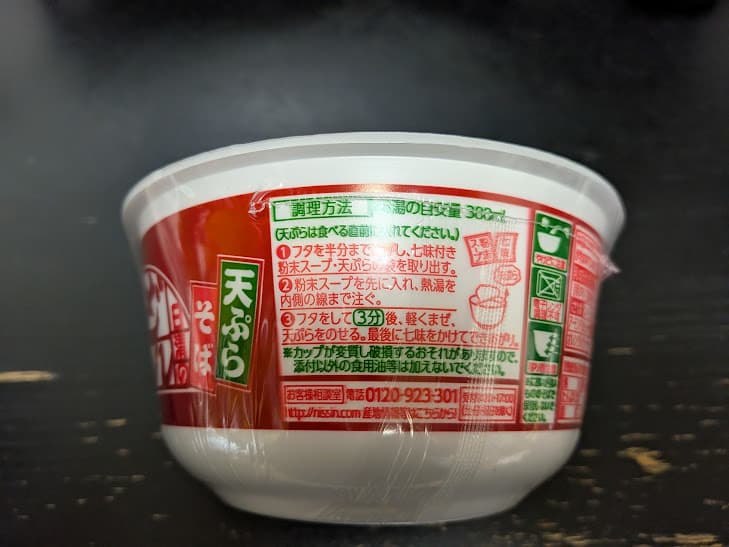
The regular version, on the other hand, comes with a separate packet of shichimi togarashi (seven-spice chili powder) and the tempura is individually wrapped for adding on top after cooking.
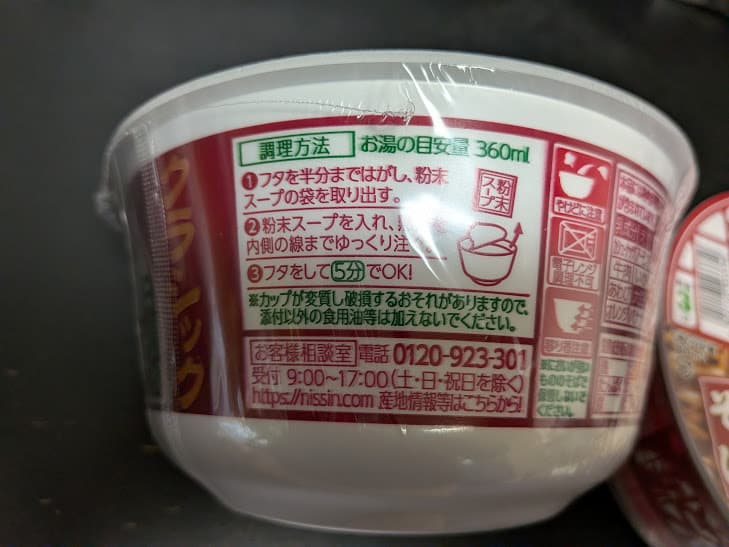
The Classic version requires 5 minutes of waiting — a bit longer than usual. This is apparently because it uses thicker, wavy noodles.
The regular version only takes 3 minutes.
Ready to Eat
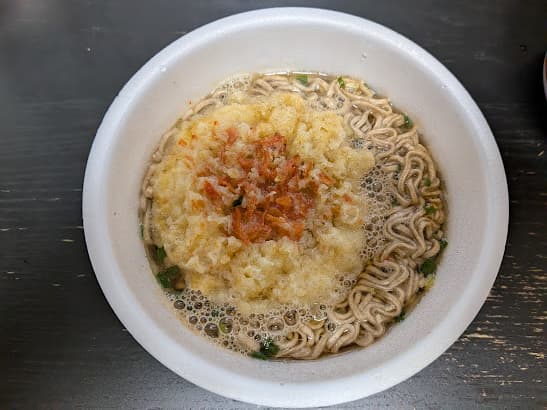
The Classic version’s tempura goes in before adding hot water, so it ends up quite soft and soaked through.
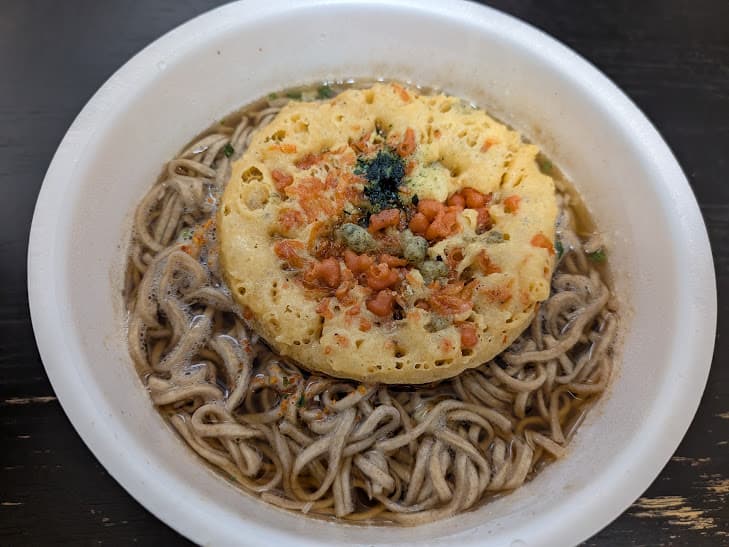
The regular version looks like the familiar Donbei we all know, topped with a crispy tempura.
The Verdict
The broth in the Classic version tasted slightly milder, but honestly the difference was minimal. That said, the regular version’s shichimi togarashi added a nice aromatic kick that made it feel more flavorful overall.
As for the noodles, the Classic version’s were thicker, but the regular version had a better bite to them — possibly helped by the shorter cooking time.
Both were enjoyable, but between the crispy tempura, the spice, and the firmer noodles, the regular version was the personal favorite here.